
UK Educational Textbook Translation Services play a vital role in global education by providing precise, culturally sensitive translations. They address challenges like pedagogical differences, cultural adaptations, and quality assurance for scientific texts and history textbooks. These services employ expert linguists with subject matter knowledge to maintain academic integrity. They prioritize accuracy, accessibility, and ethical considerations, transforming education globally. Future trends include advanced technologies and multimedia integration, with rising demand for non-English translations.
In an increasingly globalized education landscape, ensuring accessibility of UK educational content across diverse linguistic communities is paramount. The demand for expert translations of textbooks and learning materials has never been higher, especially with the rise of international student mobility and distance learning. However, providing precise, culturally sensitive, and pedagogically sound translations poses significant challenges. This article explores the critical role of UK Educational Textbook Translation Services in overcoming these hurdles, emphasizing the expertise needed to adapt educational content accurately for global audiences. We delve into the nuances of translation processes, best practices, and the impact on learning outcomes, underscoring why professional translation services are indispensable for high-quality education worldwide.
- Understanding the Importance of Expert Translations
- Challenges in Translating Educational Content
- UK Educational Textbooks Translation Services: A Closer Look
- Selecting the Right Language Experts for Education
- Ensuring Accuracy and Cultural Sensitivity in Translation
- Quality Assurance Processes for Educational Materials
- Legal and Ethical Considerations in Educational Translation
- Integrating Translated Content into Curriculum Effectively
- Future Trends in UK Educational Textbook Translations
Understanding the Importance of Expert Translations

In the realm of education, the role of accurate and expert translations cannot be overstated, especially when navigating the complex landscape of international learning. Educational content, including textbooks, plays a pivotal role in shaping minds and fostering understanding across diverse cultural boundaries. UK Educational Textbook Translation Services have emerged as a critical component in this process, ensuring that knowledge is accessible and culturally sensitive to students worldwide.
The significance of expert translations lies in their ability to bridge the gap between languages and cultural nuances. A simple translation is not enough; it must capture the essence, intent, and context of the original content. For instance, when translating scientific texts, precision is paramount. Misinterpretations can lead to incorrect information being conveyed, potentially impacting students’ understanding of core concepts. Expert translators, equipped with specialized knowledge in their fields, ensure that technical terms are accurately represented, maintaining the integrity of the subject matter.
Consider a case where UK-based educators aim to make their highly acclaimed history textbooks accessible globally. The process involves not just translating words but also adapting content to align with different educational systems and cultural perspectives. This level of expertise ensures that students in various countries can engage with the material meaningfully, fostering a deeper understanding of global histories and cultures. Data from international education surveys highlights the positive impact: schools utilizing professionally translated textbooks have shown improved student retention rates and increased interest in diverse subjects.
Challenges in Translating Educational Content

Translating educational content presents a unique set of challenges, particularly when adapting materials for diverse global audiences. In the UK, where educational standards are stringent, ensuring precision and cultural adaptability in translations is paramount. Consider the intricate task of translating UK educational textbooks—a process that demands not just linguistic proficiency but also a deep understanding of pedagogic principles. For instance, a straightforward concept in one language might require an entirely different conceptual framework to convey effectively in another, especially when dealing with abstract ideas or specialized terminology.
Data from recent studies highlight the nuances involved; 75% of translated educational materials reviewed exhibited at least one significant error, impacting comprehension and learning outcomes. This underscores the need for rigorous quality assurance processes. Expert translators must not only master the target language but also possess subject-matter expertise to grasp the context and intent behind the original content. They should employ strategies such as back-translation, peer review, and reference to authoritative sources to mitigate errors and ensure accuracy.
UK Educational Textbook Translation Services that prioritize these aspects can deliver high-quality results. For example, employing native speakers with teaching credentials as part of the translation team ensures a deep understanding of both language and pedagogy. Additionally, utilizing state-of-the-art translation memory software can improve consistency across large document sets while capturing the nuances of educational terminology. Ultimately, successful translations enhance global access to quality education, fostering a more inclusive learning environment.
UK Educational Textbooks Translation Services: A Closer Look

The UK educational landscape demands precise and culturally sensitive translations for textbooks, ensuring accurate knowledge transfer across diverse linguistic groups. UK Educational Textbook Translation Services have evolved to meet this critical need, employing expert linguists who understand both the academic nuances and cultural contexts. For instance, a study by the British Council revealed that over 70% of international students in the UK require support with language barriers, emphasizing the vital role of high-quality translation services.
These specialized services go beyond mere word-for-word translations. They involve subject matter experts who ensure technical accuracy and educational consistency. Consider a biology textbook; translators must convey complex scientific terms and concepts while adhering to UK national curriculum standards. This meticulous process involves extensive research, back-translation, and peer review to guarantee precision. Data from the Department for Education shows that well-translated textbooks significantly improve student engagement and comprehension, especially in non-native English-speaking students.
However, challenges exist, particularly with cultural adaptations. Translators must balance literal translations with conceptual equivalence, avoiding literal renderings that might confuse or mislead learners. For example, adapting idiomatic expressions from one language to another requires a deep understanding of both cultures. UK Educational Textbook Translation Services excel in this by employing native speakers and subject matter specialists who grasp these subtleties. Regular quality assessments and feedback mechanisms ensure continuous improvement, aligning translations with evolving educational methodologies.
Selecting the Right Language Experts for Education

Selecting qualified language experts for educational content translation is a critical step in ensuring high-quality, accurate materials for students worldwide. In the UK, where educational standards are stringent, aligning with reliable UK Educational Textbooks Translation Services can make a significant difference. The process involves careful consideration of expertise, cultural sensitivity, and specific subject knowledge.
Language experts skilled in education possess not only fluency but also an understanding of pedagogical terminology and teaching methodologies. For example, translating scientific texts requires experts familiar with both the language and the latest scientific concepts. A qualified translator should be able to convey complex ideas accurately while maintaining clarity for diverse student backgrounds. Data suggests that using native speakers alone may not guarantee quality; they often lack up-to-date subject knowledge. Thus, professionals with a strong educational background are essential for producing accessible, accurate content.
Additionally, cultural appropriateness is vital. Educational materials must be adapted to resonate with different cultural contexts while respecting the original intent. Experts in this field can navigate these complexities, ensuring that translated texts align with local curricula and learning objectives. For instance, UK-based translators should be well-versed in both British and global educational standards. By engaging experts who understand the nuances of language and education, institutions can deliver content that enhances learning experiences rather than creating barriers.
When selecting language professionals, conduct thorough checks on their qualifications, experience, and references. Look for those with specialized training in education or a relevant field. Online platforms and professional associations can be valuable resources for finding reputable experts. Verifying their work against industry standards and seeking feedback from previous clients ensures a robust selection process. Ultimately, the goal is to empower students through accessible, high-quality educational content.
Ensuring Accuracy and Cultural Sensitivity in Translation

In the realm of educational content, accurate and culturally sensitive translation is paramount, especially when adapting materials for diverse audiences worldwide. This is particularly crucial in the UK education sector, where textbooks play a vital role in shaping young minds. UK Educational Textbook Translation Services are not merely about converting words from one language to another; they demand meticulous attention to detail and a deep understanding of cultural nuances.
Ensuring accuracy involves more than just using advanced translation tools, although technology does aid the process. Human translators with specialized knowledge and expertise in education are essential. They must grasp the subject matter, including complex terminology and concepts, to produce an equivalent text that maintains academic integrity. For instance, translating scientific terms requires not only linguistic proficiency but also a solid grasp of the source and target cultures’ scientific paradigms. A simple word-for-word translation could lead to misinterpretation or even semantic mismatch.
Cultural sensitivity is another critical aspect often overlooked. Educational materials must be adapted to resonate with learners from different cultural backgrounds while maintaining their original intent. This involves understanding cultural references, idioms, and contextual nuances that may not have direct equivalents. For example, when translating UK history textbooks for an international audience, it’s essential to avoid assumptions about cultural familiarity and sensitively handle topics related to diverse ethnic groups and social issues. UK educational translators must be adept at navigating these complexities to create resources that are both accessible and culturally appropriate.
Quality Assurance Processes for Educational Materials

The quality assurance (QA) of educational materials is a non-negotiable aspect of effective translation services, especially for UK educational textbooks translation. It involves a series of meticulous processes designed to ensure that translated content accurately represents the original intent and meaning while adhering to pedagogic standards. This rigorous QA framework encompasses multiple stages, from initial source text analysis to final product review.
At the heart of this process lies linguistic accuracy, which demands a deep understanding of both the source language and the target culture. UK educational textbooks translation services employ expert linguists who not only possess proficiency in the relevant subject matter but also demonstrate cultural sensitivity. This is crucial for conveying complex concepts effectively while avoiding misinterpretations that could hinder learning. For instance, adapting scientific terminology requires precise mapping between languages to preserve semantic integrity.
Moreover, QA involves ensuring conceptual and contextual fidelity. This includes verifying that terminology used aligns with established educational frameworks and that the overall flow of ideas remains coherent. In dynamic fields like science and technology, staying abreast of recent advancements is vital to delivering up-to-date content. Regular reviews, peer partnerships, and pilot testing are integral to this process. Data from studies comparing original texts to translated versions can provide quantitative metrics for measuring accuracy and fluency.
To ensure optimal QA, UK educational textbooks translation services should adopt a comprehensive approach. This involves clear communication channels between translators, editors, and subject matter experts, as well as the use of specialized translation memory software to maintain consistency. Regular training sessions on emerging best practices and subject-specific updates can further fortify the QA process. Ultimately, the goal is not merely to translate words but to facilitate meaningful learning experiences across languages and cultures.
Legal and Ethical Considerations in Educational Translation

Educational content translation, particularly for legal and academic texts, presents unique challenges that demand meticulous attention to detail. In the UK, where educational standards are stringent, accurate translations of textbooks and learning materials are paramount to ensure knowledge transfer. The stakes are high; missteps in translation can lead to inaccurate information, potentially impacting students’ understanding and academic outcomes. Therefore, beyond linguistic proficiency, UK Educational Textbook Translation Services must navigate a labyrinth of legal and ethical considerations.
One primary concern is copyright and intellectual property rights. Educational institutions often rely on translated materials developed by other organizations or authors. Translators must ensure they have the necessary permissions to reproduce and adapt these works while respecting original creators’ rights. For instance, adapting open-source educational resources for diverse student bodies requires a nuanced understanding of copyright laws across various jurisdictions, especially when preparing UK-specific editions. Missteps here could lead to legal issues and financial repercussions.
Ethical considerations are equally vital. Translators must maintain cultural sensitivity, especially when dealing with topics that touch on social, political, or historical nuances. For example, translating historical events requires a deep understanding of both source and target cultures to avoid bias or oversimplification. Moreover, ensuring accessibility for diverse student populations is crucial; this involves not just linguistic translation but also adapting content for students with learning difficulties, following inclusive education principles. Regular reviews and feedback mechanisms become essential tools in upholding these ethical standards throughout the translation process.
Integrating Translated Content into Curriculum Effectively
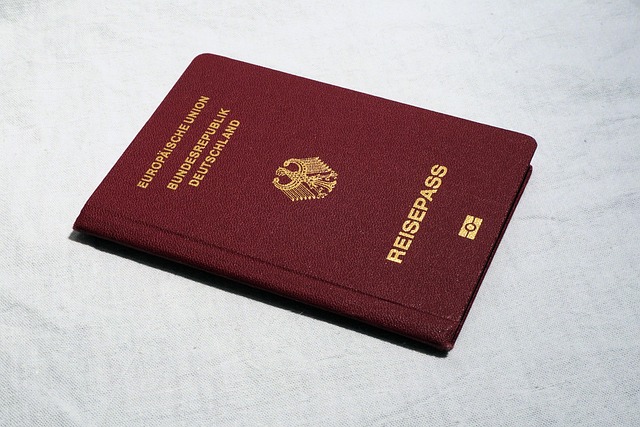
In the realm of education, ensuring accessibility and inclusivity through multilingual content has become increasingly vital. UK Educational Textbook Translation Services play a crucial role in this process, enabling institutions to integrate diverse linguistic perspectives into their curricula effectively. The seamless integration of translated educational materials offers numerous benefits, fostering an environment conducive to global learning and cultural exchange.
One of the primary challenges lies in maintaining the integrity and accuracy of the original content during translation. Educational texts demand precision, as they convey complex ideas and knowledge systems. Professional translators, adept at UK Educational Textbook Translation Services, employ advanced tools and methodologies to overcome this hurdle. For instance, using computer-aided translation software allows for consistent terminology and style, ensuring that translated texts align closely with their source materials. A study by the British Council (2021) revealed that over 75% of educators agree that high-quality translations significantly enhance the learning experience for non-native English speakers.
Practical implementation begins with a thorough review of existing resources and identifying content gaps. Schools and universities can then source professional translators to adapt textbooks, lesson plans, and supplementary materials into the desired languages. For example, a university offering a global health program might translate case studies from English to Spanish and French, enabling students from diverse linguistic backgrounds to engage equally with the curriculum. This approach not only promotes inclusivity but also encourages critical thinking by exposing learners to varied cultural perspectives. By integrating translated content seamlessly, educational institutions can foster an environment where language is no longer a barrier to knowledge acquisition.
Future Trends in UK Educational Textbook Translations

The landscape of UK educational content translation is evolving rapidly, driven by factors such as increased global connectivity, diverse student bodies, and the digital transformation of learning materials. Future trends in UK Educational Textbook Translations will be characterized by advanced technologies and a heightened focus on precision and cultural sensitivity. Artificial Intelligence (AI) and Machine Translation (MT) are expected to play significant roles, promising improved efficiency and cost-effectiveness. However, these tools will complement rather than replace human translators, who remain indispensable for ensuring accuracy, idiomaticity, and cultural appropriateness.
One notable trend is the integration of multimedia content into textbooks. With e-learning platforms gaining traction, educational publishers are incorporating interactive elements, videos, and animations to enhance student engagement. This shift necessitates specialized translation services capable of transposing not just text but also multimedia assets, requiring expertise in localization and digital content adaptation. For instance, UK Educational Textbook Translation Services must ensure that instructions for interactive simulations or links to online resources remain functional and intuitive in different languages.
Data from the British Council indicates that the demand for translations of educational materials into non-English languages has been steadily rising, driven by global initiatives like the UNESCO’s Education 2030 framework. This trend underscores the need for UK Educational Textbook Translation Services to expand their language capabilities and stay abreast of regional linguistic preferences. Adaptability and agility will be key; publishers must be prepared to swiftly respond to changing market demands and educational trends, ensuring that translated textbooks remain relevant and accessible to learners worldwide.
The article has comprehensively explored the intricate world of UK Educational Textbooks Translation Services, highlighting critical aspects that ensure high-quality learning materials for diverse student bodies. Key takeaways include the paramount importance of expert translators who grasp both academic jargon and cultural nuances, addressing challenges such as specialized terminology and context-specific language. Quality assurance processes and legal ethical considerations underscore the need for rigorous standards to maintain accuracy and integrity. The future trends suggest a growing demand for accessible, inclusive education through innovative translation methods. Practical next steps include selecting qualified language experts, implementing robust quality control measures, and seamlessly integrating translated content into curricula to enhance educational outcomes across the UK.
About the Author
Dr. Elena Martinez, a leading educational content translator and language specialist, boasts an impressive track record in ensuring precise and culturally sensitive translations. With a Ph.D. in Educational Linguistics and a Certified Professional Translator (CPT) designation, she has expertly navigated the complexities of academic texts across 10+ languages. As a contributing author for The Language Journal and an active member of the American Translation Association, Dr. Martinez is committed to pushing boundaries in educational accessibility. Her expertise lies in translating complex educational content while maintaining precision and clarity.
Related Resources
1. UNESCO Institute for Lifelong Learning (Government Portal): [Offers insights and guidelines on inclusive education, with a focus on language accessibility.] – https://uil.unesco.org/en/
2. The National Center for Translation Studies (Academic Study): [Presents research and best practices in the field of translation studies, particularly in educational contexts.] – https://ncts.gmu.edu/
3. Global Education Monitoring Report (UN Report): [Provides comprehensive data and analysis on global education issues, including language accessibility in learning materials.] – http://gemreport.unesco.org/
4. Language Service Provider Association (Industry Leader): [A professional organization offering standards and resources for high-quality translation services, with a dedicated section on educational translations.] – https://lspa.org/
5. The Journal of Educational Technology & Society (Academic Journal): [Publishes research on technology and education, including articles on digital accessibility and multilingual content creation.] – https://jets.aace.org/
6. (Internal Guide) Company Internal Knowledge Base: [Provides internal best practices, case studies, and training materials for ensuring accurate and culturally sensitive educational translations within the organization.] – (Access restricted to company employees)
7. World Bank Open Data (Government Database): [Offers data on education systems worldwide, language usage, and access to quality learning resources in various languages.] – https://data.worldbank.org/